June 22, 2026 · Shamrock Construction & Excavation
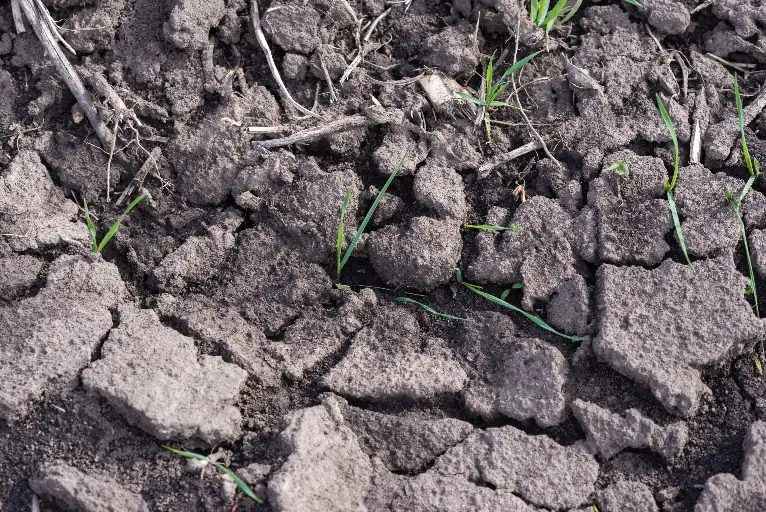
The Treasure Valley is a patchwork of soils formed by river deposits, irrigation and local geology. Clay, silt, sand, cobble and rock seams all show up here, and each affects excavation differently, whether the job is a septic system, utility installation or foundation prep. Knowing the conditions before digging prevents delays, property damage and budget overruns.
Key Terms Explained
- Bearing capacity: the load a soil can support. Low bearing capacity requires soil improvement or engineered foundations.
- Percolation (perc) rate: how quickly soil absorbs water. Critical for septic drain fields and drainage design.
- Frost depth: the depth at which ground freezes. Pipes and footings need protection below it or insulated design.
- Undercut and replacement: removing weak or organic soil and replacing it with compacted engineered fill.
Common Local Soil Problem Areas
- Clay pockets and expansive soils. Clay swells with moisture and shrinks when dry. That movement can heave footings, crack slabs and damage drain fields.
- Sandy or loose alluvium. Easy digging, poor bearing capacity. Structural applications need compaction and engineered fill.
- Rock and cobble layers. Unexpected rock adds time and equipment wear.
- High groundwater and seasonal moisture. Irrigation and a shallow water table produce soggy trenches, weak subgrade and failing drain fields.
- Freeze and thaw cycles. Winter freezing in shallow soils lifts pipes and slabs if frost depth is not addressed.
- Settlement and compressible fill. Old fill or organic material compresses over time, causing uneven settling.
How We Manage Soil Challenges
- Pre-construction site investigation: test pits, soil borings or a geotechnical report identify clay zones, rock seams and groundwater before heavy equipment arrives.
- Timing and staging: scheduling major excavation for dry seasons where possible reduces mud, compaction problems and delays.
- Grading and drainage: sloping ground away from structures, French drains and swales to control irrigation runoff.
- Compaction and engineered fill: the right equipment and compaction specs achieve required density for driveways, pads and foundations.
- Frost protection: excavating to frost depth, insulation and frost-resistant pipe bedding.
- Rock handling: rippers, rock buckets and hammer attachments to work through hard material efficiently.
- Dewatering: pumps, temporary drainage or perforated trenches when the water table interferes.
- Trenchless methods where practical: trenchless pipe bursting reduces surface disturbance on tight or landscaped sites.
Job-Specific Notes
- Septic systems: perc testing and groundwater assessment are essential. In clay-dominant areas, a septic drain field installation may need engineered sand or deeper placement.
- Water and sewer trenching: trench backfill needs proper compaction and bedding to avoid future line sagging or root intrusion.
- Site prep for builds: a stable, compacted pad and perimeter drainage prevent settlement and foundation problems later.
Why Local Experience Matters
Local knowledge, from Canyon County soils around Nampa and irrigation patterns to municipal frost depth requirements, keeps projects on schedule. Crews with regional experience adjust drainage, grading and compaction to how this ground actually behaves.
Conclusion
Treasure Valley soil diversity creates predictable excavation risks: clay pockets, sand, rock and seasonal groundwater. Site investigation, drainage strategy, proper compaction and an experienced crew produce results that last. For excavation in Boise and the surrounding valley, call Shamrock Construction & Excavation at (208) 919-4260.