August 3, 2026 · Shamrock Construction & Excavation
Your septic system quietly treats household wastewater underground. When it works, you do not notice it, until something goes wrong. Catching failure signs early saves money, prevents groundwater contamination and avoids emergency backups inside the home. Here are five warning signs, what they mean and what to do next.
1. Slow Drains and Frequent Backups
If multiple fixtures drain slowly or you experience recurring clogs and backups, the septic tank or sewer line may be overloaded or blocked. Common causes include a full tank that needs pumping, obstructions in the line (grease, wipes, foreign objects) or root intrusion. Slow drains throughout the house are different from a single slow sink: they suggest a system-wide problem.
What to do: schedule a professional septic inspection and camera sewer inspection. Avoid chemical drain cleaners, which harm the tank's biology, and limit water use until the issue is diagnosed.
2. Persistent Sewage Odors
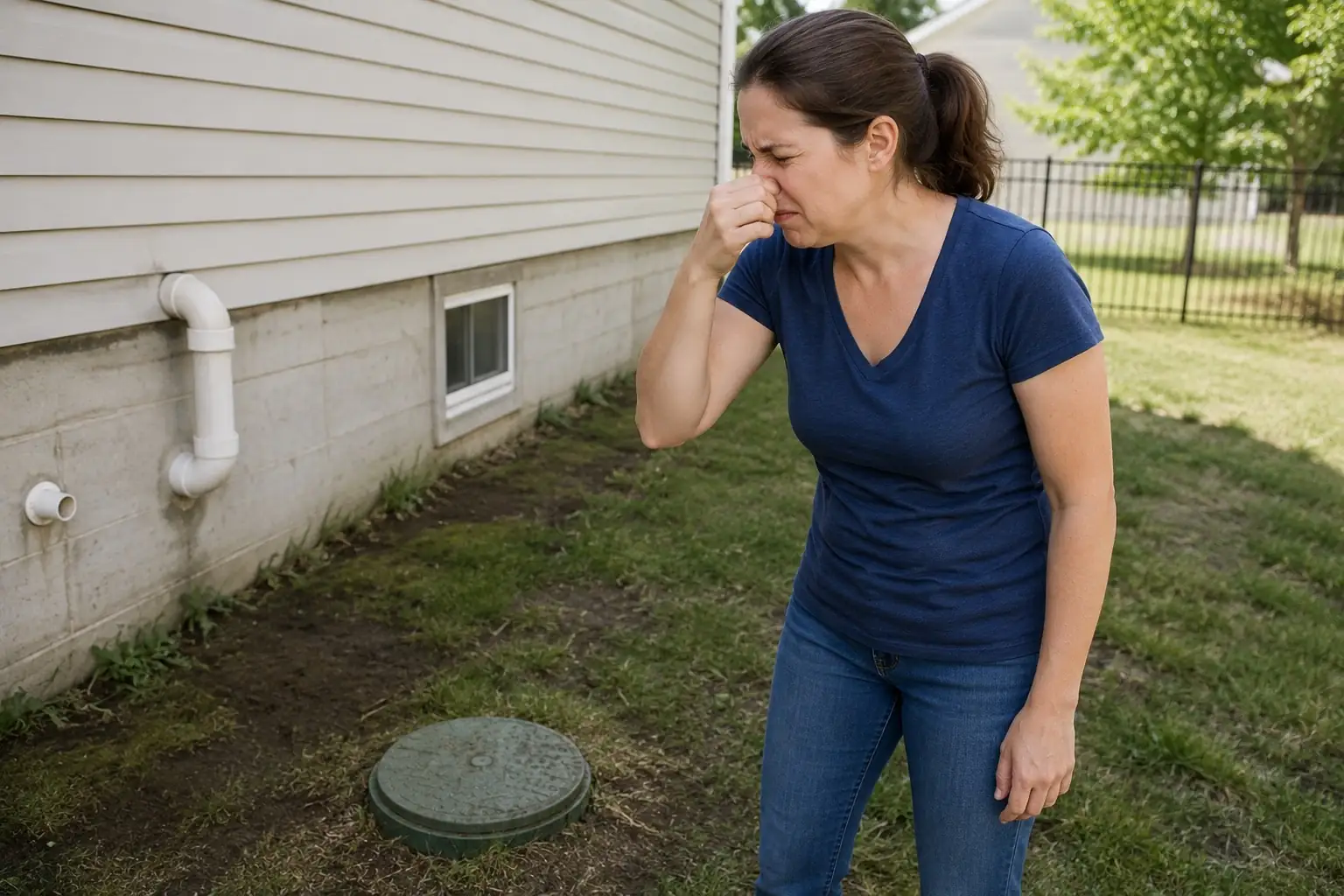
Smelling sewage inside the home or around the yard is a clear red flag. Odors near the tank or drain field can indicate a cracked tank, compromised baffles or a failing drain field where effluent reaches the surface. Indoor odors may mean a blocked vent or sewer line problem letting gases back into the plumbing.
Why it matters: sewage odors point to untreated wastewater near the surface, which risks groundwater contamination and health hazards. Call for a professional diagnosis immediately.
3. Soggy Spots or Lush Vegetation Over the Drain Field
A drain field is designed to disperse effluent into soil. When it is saturated, wet spongy ground, persistent puddles or unusually green, fast-growing grass appear above the field. In winter you might notice frost that melts sooner than the surrounding ground.
Causes include biomat buildup that clogs the soil, high groundwater or improper design. High groundwater is a frequent factor on rural lots around Nampa and Caldwell. Vehicle traffic or parked equipment on the drain field also compacts soil and reduces absorption.
What to do: stop driving or parking on the area and arrange a drain field evaluation. Fixes range from rest and reduced water use to aeration, repair or a new drain field.
4. Gurgling Toilets or Strange Plumbing Noises
Gurgling, bubbling or suction noises in toilets and drains usually mean air is trapped because wastewater is not flowing properly to the tank or drain field. The cause can be a partial blockage, a failing pump in systems with a lift station, or a venting issue.
What to do: reduce water use and get a sewer line inspection. If your system includes a pump tank, check for alarm activation and power problems.
5. Sewage Surfacing or Backing Up Into Fixtures
Visible sewage in the yard, or sewage backing up into toilets, tubs or drains, is an emergency. It means complete or near-complete failure: a blocked outlet, a collapsed line or a saturated drain field with nowhere for effluent to go.
What to do: call an emergency septic contractor right away. Do not run laundry or water-intensive appliances. Emergency response may include pumping the tank, repairing line damage or isolating the site while planning a drain field replacement.
Maintenance and Prevention
- Pump the septic tank every 3 to 5 years, depending on household size and tank capacity
- Use water efficiently: fix leaks, stagger large loads, avoid overloading the drain field
- Never flush wipes, grease, cotton swabs or harsh chemicals; our guide on what not to flush covers the full list
- Keep heavy vehicles, structures and deep-rooted trees off the drain field
- If you suspect a problem, ask for a video camera inspection and a written septic report
Conclusion
Slow drains, persistent odors, soggy ground, gurgling plumbing and visible sewage are five warning signs you should never ignore. Early diagnosis protects your home, well water and wallet. Shamrock Construction & Excavation handles septic inspection, repair and replacement in Boise and the Treasure Valley with 24/7 emergency response. Call (208) 919-4260 for a free estimate.