Home / Septic / Drain Field Repair
Septic Drain Field Repair & Replacement in Boise, Idaho
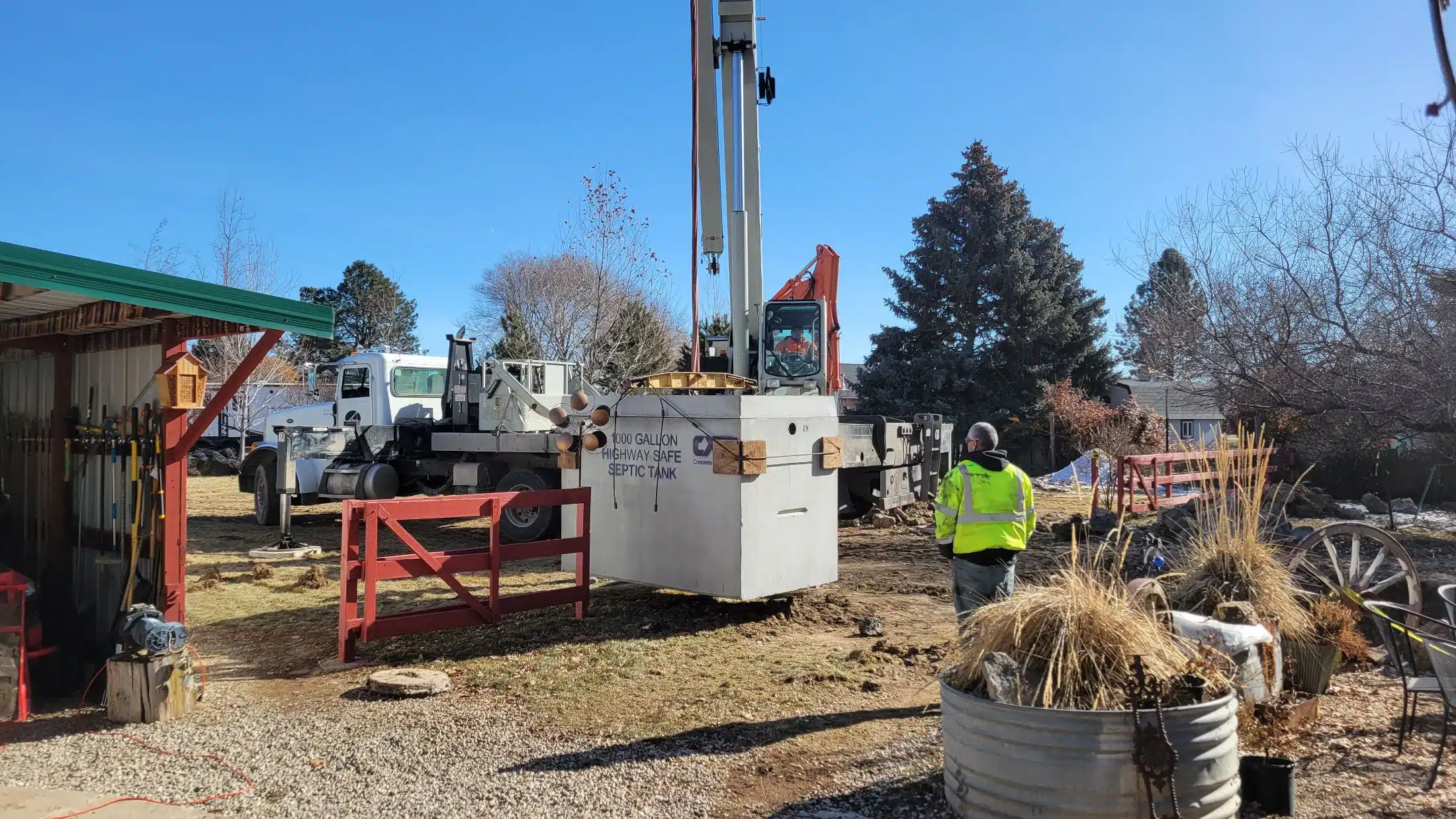
Soggy grass, sewage odor or a tank that fills right back up after pumping usually means the drain field, not the tank. We find out which, pull the health district permit and build a field that drains for decades.
Drain Fields Explained / 01
Why Drain Fields Fail
The drain field, also called a leach field or absorption field, is where the liquid leaving your septic tank soaks into the soil and is treated by the bacteria living there. It is the most expensive part of the system and the part most people never see until it stops working. Fields fail for a handful of reasons, and the fix depends entirely on which one you have.
- Biomat buildup sealing the trench bottoms after years of use, the most common cause of age-related failure
- Hydraulic overload: more water than the field was sized for, from added bedrooms, a leaking toilet or a water softener discharge
- Solids reaching the field from a tank that was never pumped or has a broken outlet baffle
- Crushed or settled laterals from vehicles, livestock or construction over the field
- Tree and shrub roots growing into perforated pipe and gravel
- Surface water, roof runoff or irrigation running onto the field
- A high seasonal water table or dense clay that never drained well to begin with
Signs Your Drain Field Is Failing
- Grass over the field that is greener, taller or spongier than the rest of the yard
- Standing water or a sewage smell near the trenches
- Slow drains and gurgling throughout the house, worst after laundry or showers
- A tank that is full to the inlet again days after pumping
- Sewage backing up into the lowest fixtures
Walk through the warning signs in detail: 5 signs your septic system is failing.
Repair or Replace / 02
Three Ways a Drain Field Problem Gets Fixed
We open the system up before recommending anything. What we find at the tank outlet, the distribution box and the trenches puts you into one of three paths.
Repair in Place
When the soil still drains and the problem is mechanical, the field can be saved. That includes replacing a crushed or root-filled lateral, leveling or replacing a tilted distribution box so effluent reaches every trench instead of flooding one, replacing a failed outlet baffle or effluent filter, regrading or adding drainage so surface water stops running onto the field, and rerouting a water softener or sump discharge that should never have gone to the septic. These are typically one or two day jobs.
New Field in the Replacement Area
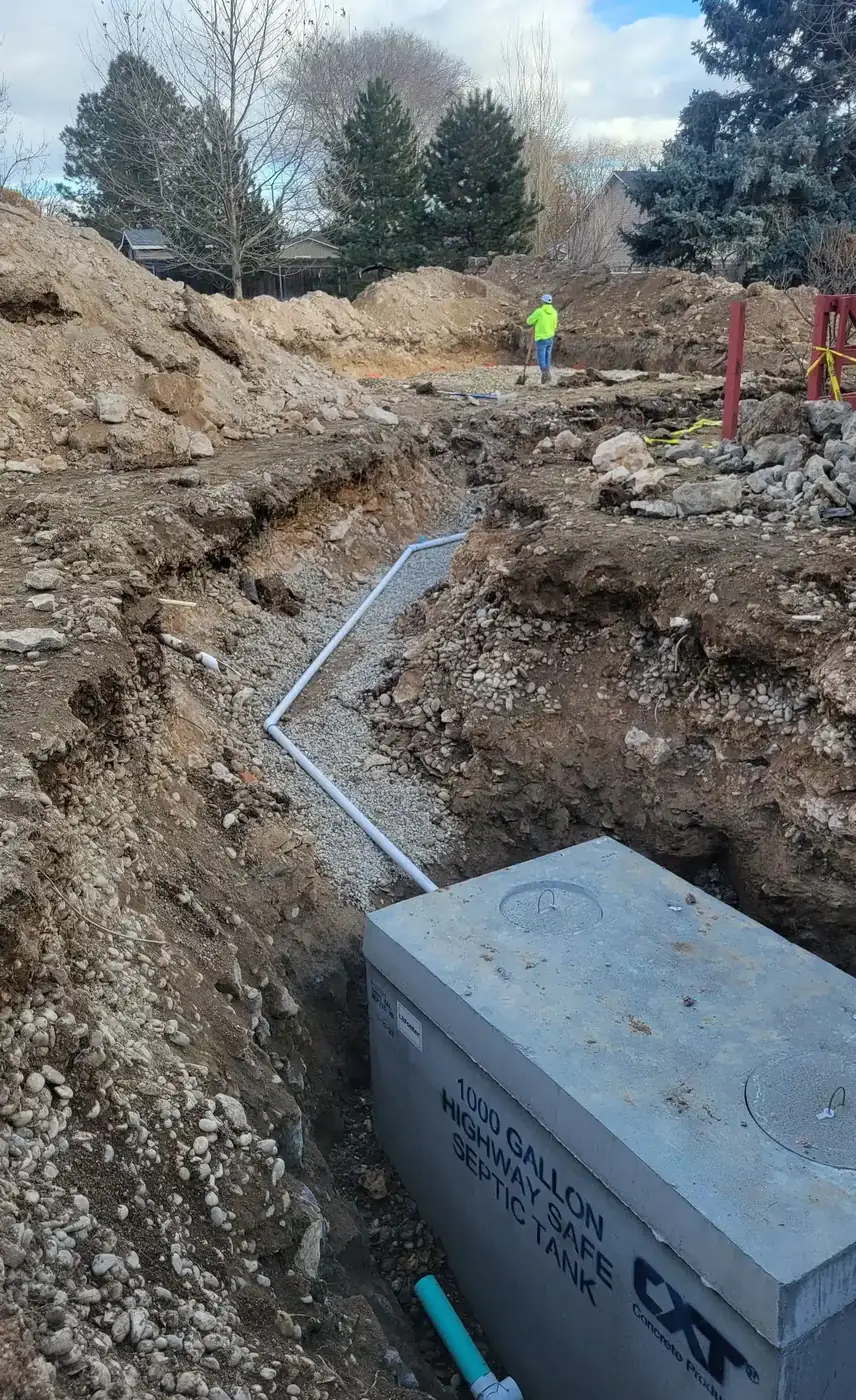
When the trenches themselves are saturated and sealed with biomat, the soil needs years to recover and the practical answer is a new field. Many Idaho permits designate a replacement area on the lot for exactly this. We confirm it with the health district, verify the soil, and build a new gravity or pressurized field there, then abandon the old trenches properly. The existing tank is usually kept if it is sound, which keeps the cost well below a full new system.
Redesigned or Alternative System
Some lots have no usable replacement area, slow clay, shallow groundwater near canals and the river, or setbacks to a well that the old design would not meet today. The health district may then require a different approach: a pressurized distribution field, a sand mound, a sand filter or an extended treatment package system ahead of a smaller field. These cost more, and we say so up front, but they are the systems that actually work on hard ground. See how soil type in Idaho affects excavation projects.
Local Rules and Ground / 03
Drain Field Rules and Soil in the Treasure Valley
Septic systems in Idaho are regulated under the state's technical guidance for onsite wastewater and permitted by the regional health district. In Ada County that is Central District Health; in Canyon County it is Southwest District Health. Any drain field repair beyond a like-for-like fix needs a repair permit, and a replacement needs a design review, often a fresh soil evaluation, and an inspection of the open trenches before they are covered.
The ground across the valley is anything but uniform. Rural lots around Kuna, Star and the Eagle foothills tend toward cobble and gravel that drain fast but need careful trench construction. Much of Canyon County near Nampa, Caldwell and Middleton sits on heavier clay with a seasonal water table pushed up by irrigation canals and flood-irrigated fields, which is where undersized fields fail first. Matching the design to that soil is the difference between a field that lasts and one that fails again in five years.
- Repair and replacement permits through Central District Health or Southwest District Health
- Soil evaluation and test holes when the district requires them
- Setbacks to wells, property lines, canals and the house
- Designated replacement area checked against the original permit record
- Inspection of the open field before backfill
- Proper abandonment of the old trenches
Grading and surface water matter more than most people realize: why proper grading matters for septic and drainage.
How It Works / 04
What to Expect When Shamrock Repairs or Replaces Your Drain Field
Drain field work follows the health district's process, and the steps below are built around it. Whether the field is behind a home in Star or on acreage near Caldwell, the sequence looks the same.
1. Call and Diagnose
Call (208) 919-4260 and describe what you are seeing. On site we locate the tank, open the lids and check the liquid level, baffles and filter, then find the distribution box and probe or expose the trenches. That tells us whether the problem is upstream of the field, in one lateral, or in the soil itself. If sewage is surfacing we coordinate pumping the same day to stabilize things.
2. Free Written Estimate
You get a written estimate that spells out the path: a repair in place, a new field in the replacement area or a redesigned system, with the trench footage, materials, excavation, permit and soil evaluation fees and restoration listed. Estimates are free, and the number is the number unless the ground or the health district changes what has to be built.
3. Permit, Locates and Construction
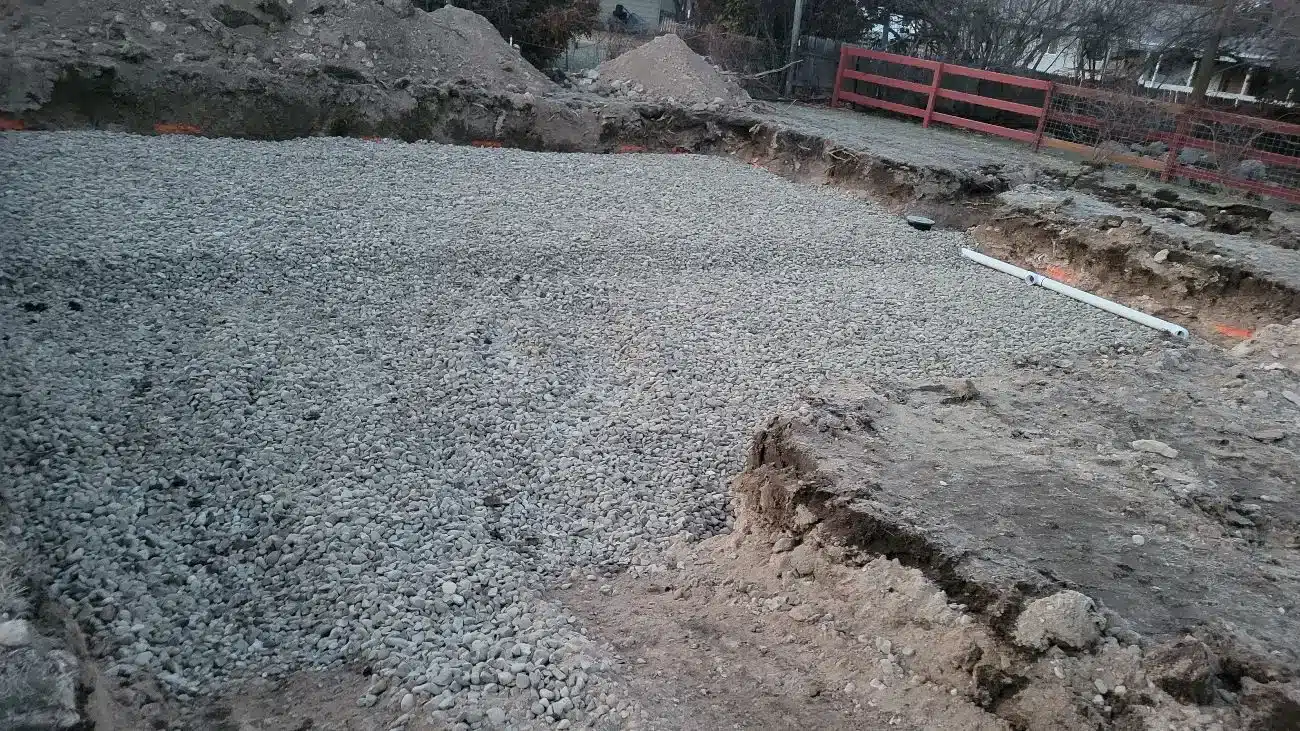
We submit the repair or replacement permit to Central District Health or Southwest District Health, call Dig Line 811 for utility locates, then excavate. New trenches are cut to the approved depth and spacing, bedded with washed drain rock, piped and covered with filter fabric. Pressurized systems get the pump, controls and laterals set to the design. The inspector sees the open field before it is covered.
4. Backfill, Grading and Follow-Up
After the inspection passes we backfill, grade the surface so water sheds away from the field, and seed or sod as agreed. The old trenches are abandoned properly. You get a drawing of where the tank, box and new trenches sit, plus plain advice on pumping intervals, water use and what to keep off the field so this one lasts.
Pricing / 05
What Affects the Cost of Drain Field Repair in Boise
Drain field pricing comes down to how much of the field has to be rebuilt and what the soil and the health district will allow. A repair in place, such as a distribution box or a single lateral, is a small job. A new gravity field in a designated replacement area on well-drained ground is the most common replacement and the most predictable. Clay, shallow groundwater or a tight lot push the design toward a pressurized field, a mound or a treatment unit, and those cost more.
Every drain field job gets a free site visit and a written estimate before any work starts. We open the system, review the permit record and soil, and give you a clear number with the scope spelled out. That holds in Boise, Eagle, Star, Kuna and out in Canyon County near Nampa and Caldwell. Call (208) 919-4260 or request an estimate online.
- Repair in place vs new field vs redesigned system
- Trench footage, set by bedrooms, daily flow and the soil's percolation rate
- Field type: gravity, pressurized distribution, sand mound, sand filter or treatment unit
- Soil: cobble, clay, shallow bedrock or a high seasonal water table
- Whether the existing tank can stay or must be replaced along with the field
- Health district permit, soil evaluation and inspection fees
- Access for equipment, and fences, trees, irrigation and landscaping in the way
- Pumping to stabilize the system while the permit is processed
- Restoration of lawn, pasture or landscaping after the excavation
Common Questions / 06
Drain Field Questions, Answered
Can a failed drain field be repaired, or does it have to be replaced?
It depends on why it failed. A crushed or root-choked lateral, a clogged or tilted distribution box, a broken outlet baffle letting solids into the field or surface water running onto it can all be repaired in place. A field whose soil has been saturated for years and sealed over with biomat has lost its ability to absorb water, and that one has to be replaced, either in the designated replacement area or in a new location the health district approves. We tell you which case you are in after we open the field and look, not before. The 5 signs your septic system is failing post covers what you can check first.
Does pumping the tank fix a drain field problem?
No. Pumping empties the tank and buys a few days of relief, which is useful while a repair is scheduled, but the field will flood again as soon as the tank refills. If a pumper tells you the tank was full to the inlet or water ran back in from the outlet, that is a drain field symptom. We coordinate pumping as part of a repair, then fix the field.
Do I need a permit to repair or replace a drain field in Idaho?
Yes. In Ada County, including Boise, Meridian, Eagle, Star and Kuna, a repair permit goes through Central District Health. In Canyon County, including Nampa, Caldwell and Middleton, it goes through Southwest District Health. The district reviews the design, may require a new soil evaluation and inspects the open field before it is backfilled. We handle the application, the paperwork and the inspection scheduling on every job.
How long does a drain field replacement take?
Once the permit is issued, most residential replacements are excavated, built, inspected and backfilled in two to four working days. Permit and soil evaluation timelines vary by health district and season, so the total time from first call to a working system is usually a few weeks. If sewage is surfacing, we can pump and stabilize the system the same day while the permit is processed. See the septic installation and repair page for the full process.
Do drain field additives or restoration treatments work?
Not on a field that has truly failed. Bacterial additives and so-called drain field restorers cannot reopen soil that has been sealed by biomat, and some chemical products make it worse by killing the bacteria the system depends on. Reducing water use and resting a field for a few weeks can help a marginal one recover briefly. For anything surfacing or backing up, the fix is mechanical: repair, rehabilitation or replacement. Good habits do extend a field's life; see what you should never flush into a septic system.
What should I do while I wait for a drain field repair?
Cut water use to the minimum: short showers, no laundry, fix running toilets. Keep people, pets and vehicles off the field and away from any surfacing sewage. Do not add chemicals or dig into the field yourself. If sewage is backing up into the house or standing in the yard, call (208) 919-4260. We offer 24 hour emergency septic service across the Treasure Valley and can pump and stabilize the system until the repair is permitted. Our emergency septic and sewer page has more on what to do while you wait.
Dependable Septic Work
A Drain Field That Drains
From a distribution box swap in Eagle to a full field replacement on clay near Caldwell, we diagnose the real cause, handle the health district and build it right. Serving Boise, Meridian, Eagle, Star, Kuna, Nampa, Caldwell, Middleton and all of Southwest Idaho. 24 hour emergency septic service available.