August 17, 2026 · Shamrock Construction & Excavation
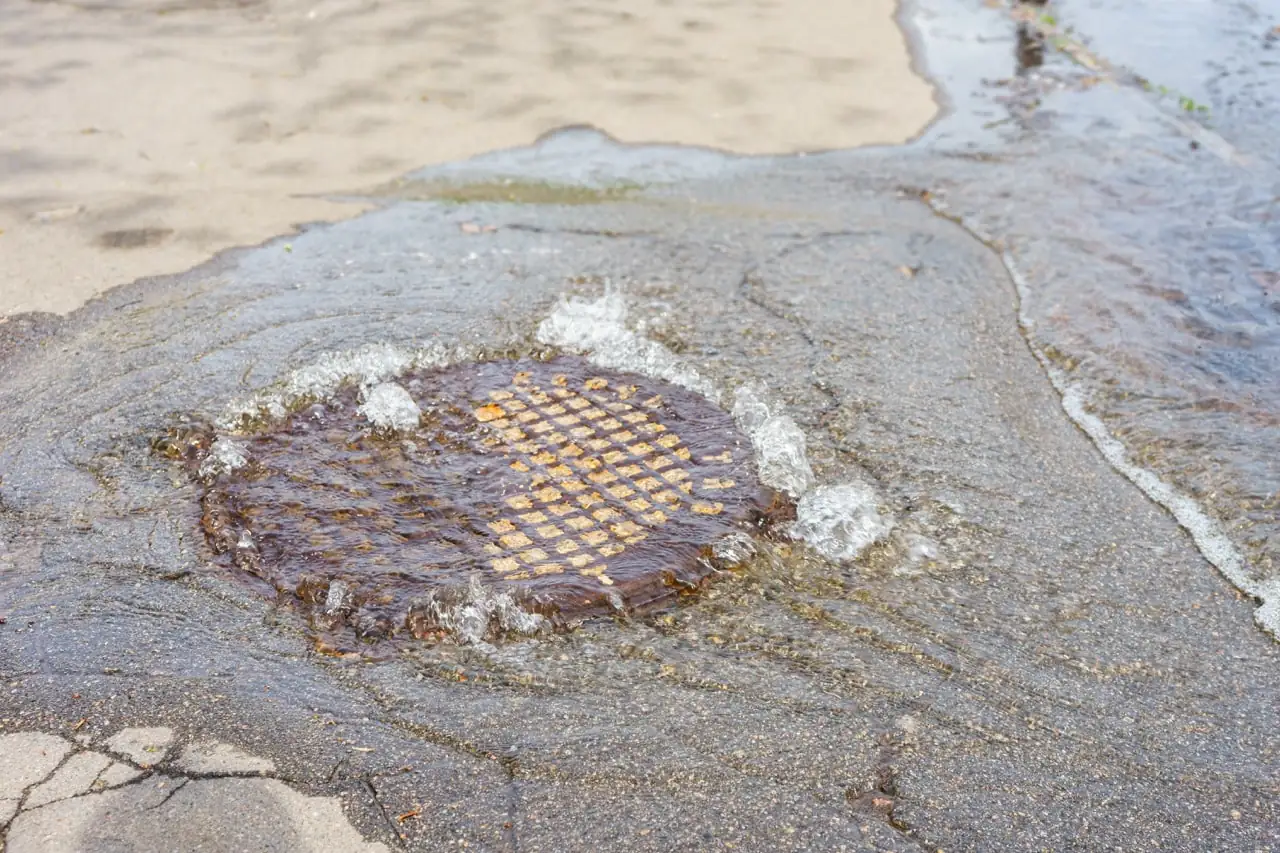
When a sewer or water line fails, quick, calm action reduces damage. Here is what to do right away, and what to expect when a crew arrives for 24 hour emergency sewer and water line repair.
Immediate Actions to Protect People and Property
- Ensure safety first. Keep people and pets away from standing sewage or floodwater. Turn off electricity to affected areas if water could contact outlets or appliances. If you are unsure, call an electrician or your utility company.
- Stop the flow. For a water main or supply line leak, shut off your home's main water valve immediately. For a sewer backup, stop using sinks, toilets, dishwashers and washing machines, and do not flush.
- Contain what you can. Move furniture and valuables out of harm's way, redirect water with buckets or sandbags, and block floor drains if needed. Wear rubber boots and gloves if you must enter contaminated areas.
- Document everything. Take photos and video of the damage and any standing water. This helps insurance claims and gives contractors a clear starting point.
- Call a qualified emergency response team. Do not try permanent repairs yourself. You need experienced operators with the right equipment to diagnose leaks, locate breaks and perform code-compliant repairs.
How Professionals Diagnose the Problem
- Leak detection and locating: acoustic listening tools, tracer dye or pressure tests find a broken water line.
- Video sewer inspection: a camera runs through the pipe to show root intrusion, cracks, collapses or blockages so the right repair method is selected.
- Assessment of extent: the crew determines whether a spot repair, section replacement, trenchless option or full replacement is needed.
Common Causes and What They Mean
- Root intrusion: tree roots enter small cracks and expand, common in older clay or jointed pipes.
- Corrosion and deterioration: older metal or clay pipes fail from age and soil chemistry.
- Ground movement and freeze or thaw: soil shifts and frost heave break or misalign pipes.
- Blockages: grease, wipes or debris clog lines and cause backups.
Repair Options Explained
- Spot repair: excavating a short section to replace or patch damaged pipe.
- Trenchless repairs (lining, pipe bursting): minimize landscaping damage by relining the pipe or pulling a new one into place. Good for long runs under yards and driveways.
- Full replacement: necessary when the line is collapsed, severely corroded or poorly installed.
- Septic or drain field repair: if the issue is downstream in the septic system, the fix may include drain field replacement or tank repairs.
Post-Repair: Testing, Permits and Restoration
After the fix, expect pressure testing and possibly a municipal inspection for water line work. A good crew restores disturbed areas, backfills, compacts and matches grading to prevent future drainage issues. We follow a transparent estimate process so you know costs and timeline before work begins.
Temporary Fixes and Cleanup
- Turn off the main water supply for large leaks.
- Use wet/dry vacuums and fans for clear water. Contaminated sewage requires licensed cleanup.
- Avoid chemical drain cleaners if you suspect a sewer line problem. They can harm pipes and complicate repairs.
Preventing the Next Emergency
- Schedule periodic camera inspections for older lines; see the signs your sewer line needs repair
- Control tree planting and install root barriers near sewer lines
- Dispose of grease and wipes properly, and only flush toilet paper
- Maintain proper grading and drainage around the foundation
- Install a pressure regulator if you have high water pressure
Local Considerations
Local conditions in the Treasure Valley, including freeze and thaw cycles, irrigation systems and mixed soil types, affect how repairs are done. Shamrock Construction & Excavation works in Boise, Meridian, Nampa and the surrounding Canyon County communities every week, so repairs are matched to regional conditions and repeat failures are rare.
Conclusion
Immediate safety, stopping the flow and calling an experienced contractor are the three steps that matter most. Fast action reduces damage, lowers repair costs and protects your home. For emergency sewer repair or water line repair in Boise, call Shamrock 24/7 at (208) 919-4260.